Why are organisations rethinking hand hygiene systems?
Hand hygiene remains one of the most important defences against the spread of germs in workplaces, public facilities and industrial environments. However, as organisations face increasing pressure to reduce waste, lower operational costs and support sustainability goals, many are looking more closely at how hand hygiene products are used.
Traditionally, effectiveness has been measured by hygiene performance alone. Whilst this remains critical, facilities teams are now asking broader questions. How much product is being used? How much water is required? How much packaging waste is generated? And can these resources be reduced without compromising hygiene standards?
To answer these questions, organisations are increasingly turning innovation, particularly foam technology, which is helping to reshape how hand hygiene products are delivered and used.
SC Johnson Professional has been at the forefront of foam technology innovation for nearly 25 years, developing solutions designed to help users achieve effective hand hygiene whilst using lses product compared to traditional lotion alternatives. By combining chemistry and engineering, the company has created foam soaps, sanitisers and hand cleaners that support both hygiene performance and operational efficiency.
This article explores how foam technology is helping organisations rethink hand hygiene and why it is becoming an increasingly important part of modern workplace hygiene strategies.
Why does foam technology work differently?
The way a hand hygiene product is delivered can have a significant impact on product consumption, user experience and overall efficiency.
Unlike traditional lotion soaps, foam products are designed to spread quickly across the hands, providing effective coverage whilst requiring less product per wash. This approach can help reduce consumption without affecting handwashing performance.
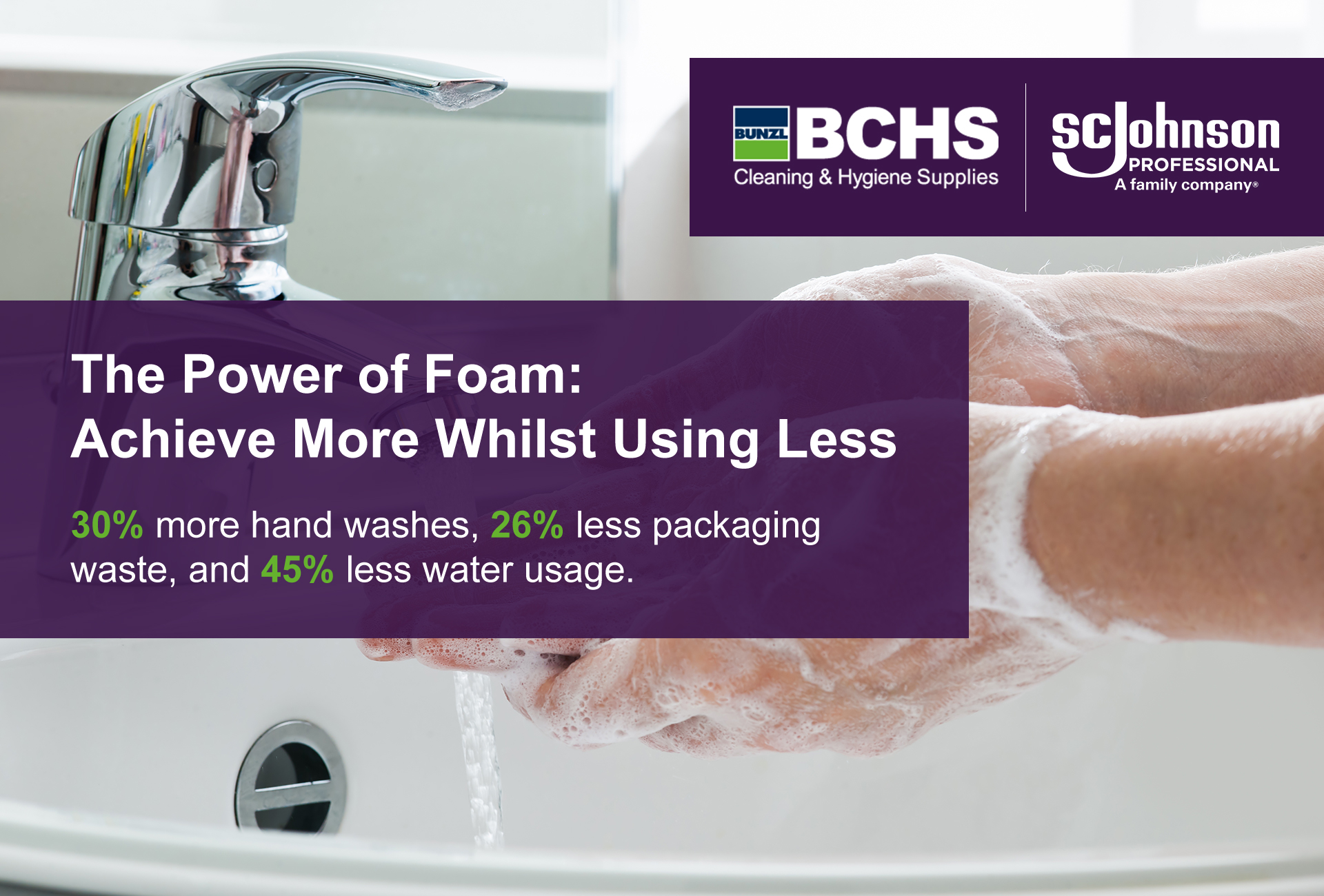
According to SC Johnson Professional, its foam soap range delivers
- 30% more hand washes per litre
- 26% less packaging
- 45% less water usage during handwashing
- Reduced energy consumption through lower hot water use
For organisations managing busy washrooms, these efficiencies can contribute to both cost saving and sustainability objectives.
Innovation beyond standard washroom soaps
As hygiene expectations have evolved, so too have the products designed to support them.
SC Johnson Professional has applied its foam technology expertise across a range of environments where hand hygiene plays a critical role. This includes food manufacturing, catering and healthcare settings where maintaining high standards of hygiene is essential.
One example is OxyBac®, an antimicrobial foam hand wash developed specifically for environments where enhanced hygiene controls are required.
The company also developed InstantFOAM™, a high-alcohol foam hand sanitiser designed to overcome some of the challenges commonly associated with traditional gel and liquid formats, such as stickiness and poor handleability.
Supporting industrial hand hygiene
Foam technology is also changing the way industrial workplaces approach hand cleaning.
Workers in manufacturing, engineering and maintenance environments often require products capable of removing oils, grease and heavy soiling whilst remaining pleasant to use throughout the working day.
SC Johnson Professional’s patented PowerFOAM™ technology has been developed to meet these needs.
Products such as Solopol® GFX™ and Estesol® FX™ combine effective cleaning performance with the resource saving benefits associated with foam delivery systems. By reducing the amount of product required per wash, these solutions can help organisations improve efficiency whilst supporting employee skin health and user satisfaction.
The wider picture
The conversation around hand hygiene is no longer limited to keeping hands clean. Increasingly, organisations are considering how hygiene products contribute to wider operational and environmental goals.
This includes:
- Reducing product waste
- Lowering water consumption
- Minimising packaging materials
- Improving user acceptance
- Supporting sustainability targets
Foam technology demonstrates how innovation can help organisations address all of these considerations while maintaining high standards of hygiene.
As facilities teams continue to review their workplace hygiene strategies, solutions that help users achieve more whilst using less are becoming an increasingly important part of the discussion. Contact BCHS today to learn more about the power of foam and how it can help your organisation: Contact Us
Learn more about SC Johnson here: PowerFOAM
To find out more about SC Johnson Professional’s foam soaps, sanitisers and industrial hand cleaners, speak to your BCHS account manager.