Washrooms are an essential part of every workplace and public venue, but new research from Tork suggests that many are not meeting users’ needs.
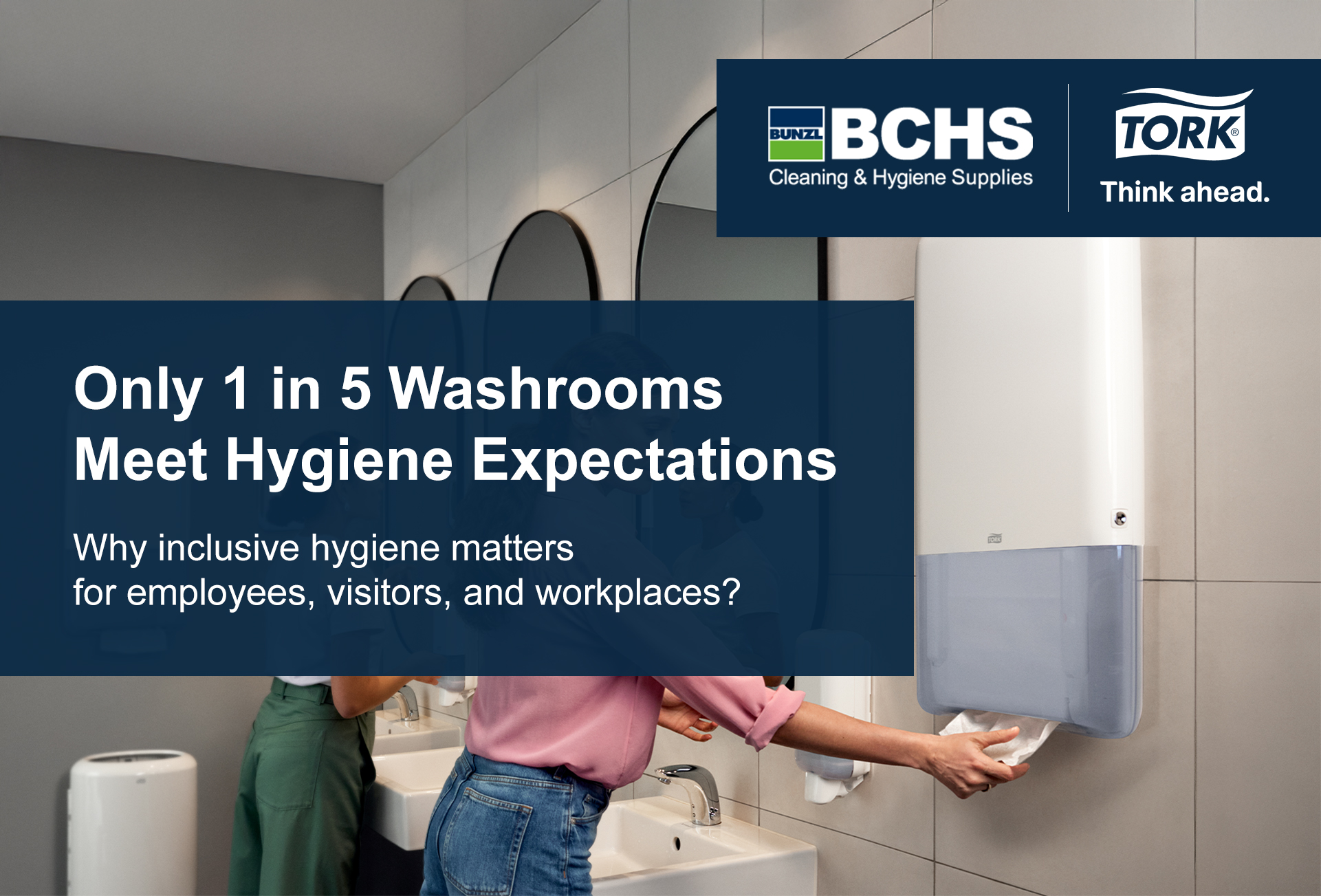
According to the global Tork Insight Survey, only 20% of washrooms meet people’s expectations for hygiene and cleanliness. In the UK, 83% of surveyed end users said they were concerned about hygiene in public washrooms.
The findings highlight an important consideration for organisations: providing an effective washroom is not simply about cleanliness. It is also about making hygiene accessible, comfortable and inclusive for the widest possible range of users.
Barriers to good washroom hygiene
Individual needs can vary considerably. Physical conditions, cognitive conditions, sensory sensitivities and anxiety may all affect whether someone can comfortably use a washroom and access the hygiene facilities provided.
Globally, one in two people is likely to encounter a barrier to hygiene in a washroom, with the environment not fully supporting their capabilities or needs. Among survey respondents who reported a physical or cognitive condition, 33% had skin sensitivity, 29% had anxiety, and 22% had rheumatism.
The UK findings provide further context:
- 17% of people reporting a physical condition experience skin sensitivity, such as eczema, which may be aggravated by harsh soaps.
- 12% are affected by arthritis or chronic pain, which can make accessing soap dispensers or using toilet paper more difficult.
- 24% cited unhygienic conditions as a reason for avoiding or never using a washroom.
- 50% said they had not used a washroom at a venue even though they needed to.
These barriers may not always be visible. Although accessible facilities are often associated with wheelchair users, the research reports that 95% of people globally who identify as having a physical or cognitive condition do not use a wheelchair.
For facilities teams, this reinforces the value of considering a broader range of user needs when reviewing washroom design, products and maintenance routines.
Why inclusive hygiene matters for your people, your visitors and your organisation – explore inclusive hygiene solutions
The wider impact of a poor washroom experience
Washroom standards can influence how people perceive a workplace, venue or organisation. They may also affect how long visitors stay, whether they make a purchase and whether they choose to return.
The UK survey found that, following a poor washroom experience:
- 30% of respondents had spent less time at a venue.
- 17% had avoided eating or drinking at a venue.
- 10% had advised friends to avoid the location.
- 7% had left a negative online review.
- 18% had complained to staff or workplace management.
- 15% had worked from home more often than they otherwise would because of poor workplace washrooms.
These findings demonstrate why washroom provision should form part of a wider approach to user experience, employee wellbeing and facilities management.
Creating a more inclusive washroom
There is no single solution that will meet every need. However, organisations can take practical steps to help make their washrooms easier and more comfortable to use.
- Review accessibility beyond physical access
Consider whether dispensers, consumables and fixtures can be used by people with reduced strength, dexterity or mobility. Placement, operating force and ease of use can all influence accessibility.
- Consider people with skin sensitivities
Review the soaps and hygiene products provided, including whether suitable options are available for people with sensitive skin. Product choices should be supported by clear and accurate information.
- Maintain consistent hygiene standards
Regular checks, effective cleaning routines and timely replenishment can help organisations deliver a more reliable washroom experience throughout the day.
- Make facilities easier to navigate
Clear signage and straightforward layouts can help reduce uncertainty and make washrooms easier to use for visitors and employees with a range of needs.
- Listen to users and cleaning teams
Feedback from the people who use and maintain washrooms can help identify practical barriers that may otherwise be missed. This insight can support more informed decisions about facilities, products and service schedules.
A better washroom experience starts with understanding users’ needs,
The Tork Insight Survey gathered responses from 11,500 people across 11 countries. It found that 74% expected moderate or high levels of washroom hygiene, while only 20% of washrooms met those expectations.
For workplaces and public venues, the message is clear: washroom hygiene can affect accessibility, user confidence and the wider experience of an organisation.
Bunzl Cleaning & Hygiene Supplies works with customers to understand their operational requirements and identify practical hygiene solutions for their facilities. By taking a more inclusive and user-led approach, organisations can make informed improvements that support employees, visitors and cleaning teams.
Explore how inclusive hygiene could support your organisation:
Find out more about Tork Better Hygiene, Better Workplace