For facilities managers, persistent washroom odour can be a difficult problem to resolve.
Cleaning schedules may be followed correctly, and visible surfaces may appear clean, yet unpleasant smells can return soon afterwards. This can lead to repeat complaints, additional callouts and increased scrutiny of cleaning teams or service partners.
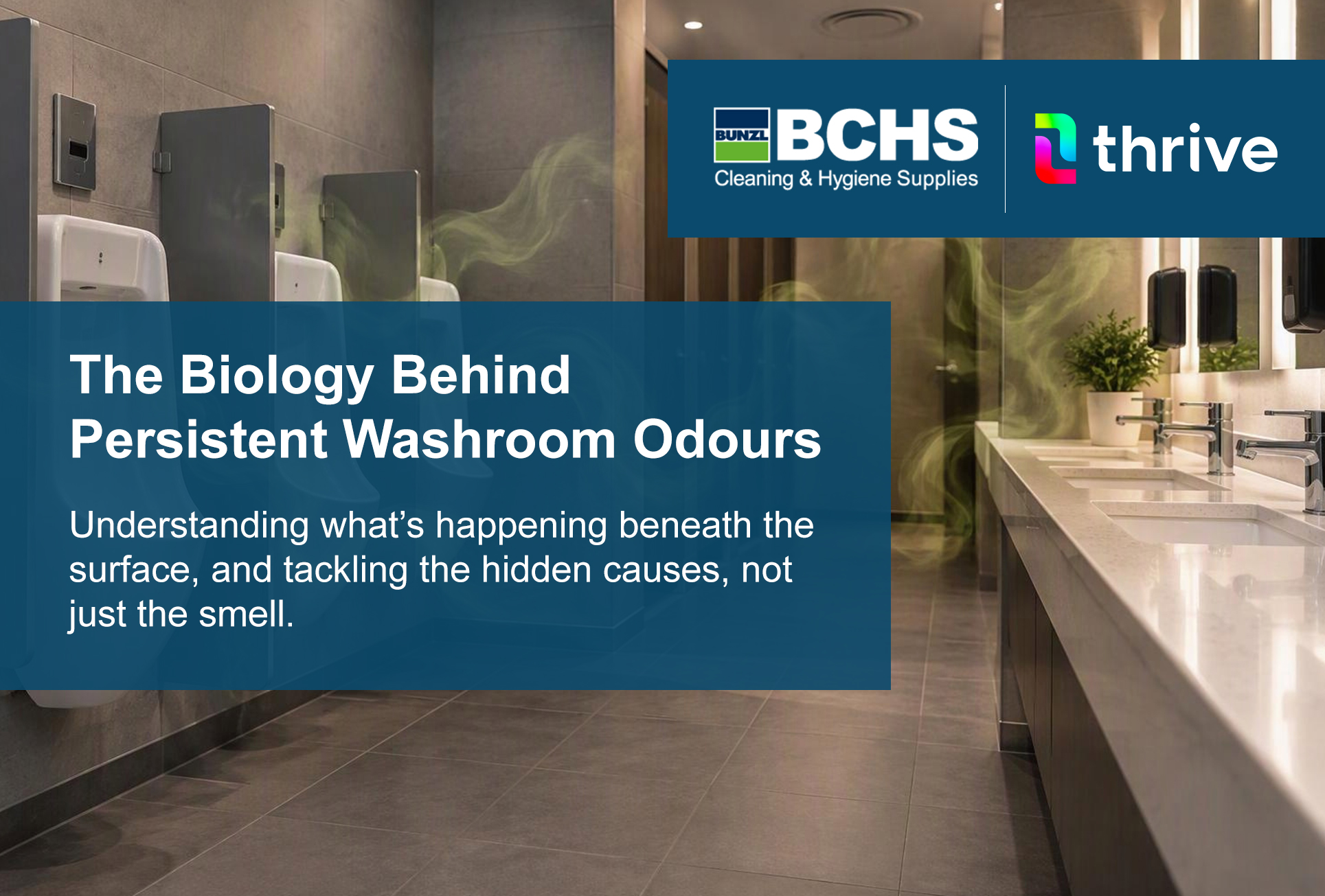
The reason is often hidden beneath the surface. Persistent washroom odours can be caused by biological activity and accumulated deposits within drains, pipework and toilet systems, beyond the reach of routine surface cleaning.
Understanding what is happening within the drainage system can help facilities teams move from repeatedly responding to symptoms to addressing the underlying cause.
Why washroom odour becomes an FM issue
A recurring odour can affect more than the washroom itself.
Building users often associate an unpleasant smell with poor hygiene, regardless of how thoroughly or frequently the area is cleaned. In workplaces, healthcare settings, leisure venues and public buildings, this can influence perceptions of the wider facility.
For facilities managers and their service partners, unresolved odour may result in:
- Repeat complaints from building users or customers
- Additional inspections and maintenance investigations
- Unplanned callouts and disruption
- Increased pressure on cleaning operatives
- Difficulty maintaining consistent standards across multiple sites
- Questions about contractor performance, even where agreed cleaning schedules are being completed
A preventative approach can help teams investigate why the problem keeps returning, rather than relying solely on additional surface cleaning or products that temporarily mask the smell.
What causes persistent washroom odour?
Many recurring odours do not originate on the surfaces that cleaning teams can see and routinely access. They can develop inside urinals, drains and pipework.
Over time, uric acid, limescale, soap residue, hair and other organic matter can accumulate within the drainage network. These deposits may restrict flow while trapping moisture and waste.
Uric acid can be a particular challenge in urinal systems. As it crystallises, it can combine with limescale and mineral deposits to create hard-scale build-up inside the pipework.
This environment allows bacteria to feed on trapped organic matter and produce volatile compounds, contributing to the ammonia-like smells commonly associated with washrooms.
Routine cleaning remains essential for hygiene and appearance. However, where activity is taking place deeper in the drainage system, increasing the frequency of visible-surface cleaning may not resolve the source of the problem.
Why biological treatments take a different approach
Biological treatments are designed to work within drainage systems, where conventional surface-cleaning processes cannot always reach.
Using biotechnology and specialised formulations, these treatments target the organic matter and deposits associated with odours, restricted flow and recurring maintenance problems. The aim is to change the conditions that allow odour-causing bacteria to remain active, rather than simply covering the resulting smell.
For FM teams, incorporating an appropriate biological treatment into a wider washroom-maintenance programme can support:
- More consistent washroom standards
- A better experience for building users
- Fewer recurring odour complaints
- A more preventative approach to drainage maintenance
- Greater support for cleaning teams working in high-use environments
The treatment should form part of a considered cleaning and maintenance plan, based on the washroom, the nature of the build-up and the level of use.
Supporting consistency across busy estates
Washroom challenges can become more complex across large or multi-site estates. Different levels of footfall, ageing drainage systems and variations in how facilities are used can make it difficult to apply one standard response everywhere.
A useful first step is to identify patterns:
- Which sites generate repeat complaints?
- Do smells return shortly after cleaning?
- Are urinals, drains or washrooms repeatedly affected?
- Are cleaning teams using additional products without achieving a lasting improvement?
- Is the problem increasing maintenance demand?
This information can help facilities teams distinguish between a surface-cleaning issue and a problem within the drainage system. It also supports a more targeted response, avoiding unnecessary changes to cleaning schedules where the root cause lies elsewhere.
How Thrive supports a preventative approach
Available through Bunzl Cleaning & Hygiene Supplies, the Thrive range includes biotechnology-based solutions designed for different types of drainage build-up:
- URIZAP®, URIZAP® Daily and URIZAP® Shock are designed to help break down uric acid crystallisation within urinal systems.
- DRAINZAP® targets hair and organic build-up commonly found in washroom drains.
- SLUDGEZAP® is designed to help break down organic waste build-up in sinks, toilets, pipework and septic systems.
By working within the drainage system, these solutions can form part of a planned approach to managing the conditions associated with recurring odour and drainage problems.
The outcome facilities teams are looking for is not simply a stronger fragrance or a temporarily fresher washroom. It is a more consistent environment, supported by an approach that addresses the source of the issue.
From recurring complaints to preventative action
Persistent odour should not automatically be treated as evidence of poor cleaning. Where the problem continues despite an established cleaning programme, investigating what is happening below the surface can provide a clearer route forward.
A site assessment can help identify likely causes, highlight areas of build-up and determine whether biological treatment should form part of the maintenance strategy. Click here to book a site visit: Thrive facilities management cleaning solutions | BCHS
By combining the right cleaning processes with targeted drainage treatment and expert support, facilities teams can take a more informed approach to washroom performance while protecting standards across their sites.
Explore Thrive cleaning solutions for facilities management and discover how BCHS can help you address recurring washroom challenges at their source.
Thrive facilities management cleaning solutions | BCHS
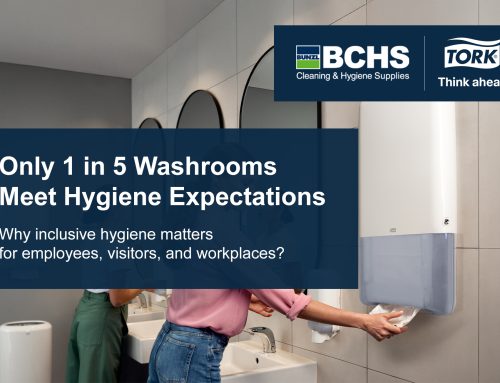
 Only 1 in 5 washrooms meet hygiene cleanliness expectations in the UK