In 2025, the pressure to deliver faster, more sustainable, and more hygienic cleaning has never been greater. Facility managers across hospitality, healthcare, and commercial settings are looking for solutions that not only deliver superior cleanliness but also improve productivity and reduce waste. The good news? Small changes in cleaning equipment and technique can make a big impact.
BCHS work closely with Rubbermaid who provide cleaning solutions tailored to industry needs. Rubbermaid is a well-known company dealing with a range of household and commercial products.
This article will discuss the top questions cleaning professionals are asking in 2025, and the expert answers to help you stay ahead of the curve.
- How can we reduce water waste while maintaining high hygiene standards?
One of the most overlooked areas in cleaning operations is water usage. Traditional mop-and-bucket systems are inefficient, often wasting litres of water with every clean.
The solution: switch to a spray mop system with an onboard fluid reservoir. This allows teams to control exactly how much solution they use, reducing waste without sacrificing performance. When a large, supported living site made the switch, they saved an estimated 180,000 litres of water per year.
- What kind of equipment helps cleaning teams move faster and reduce fatigue?
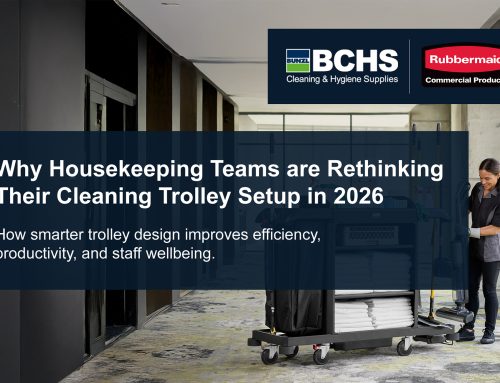
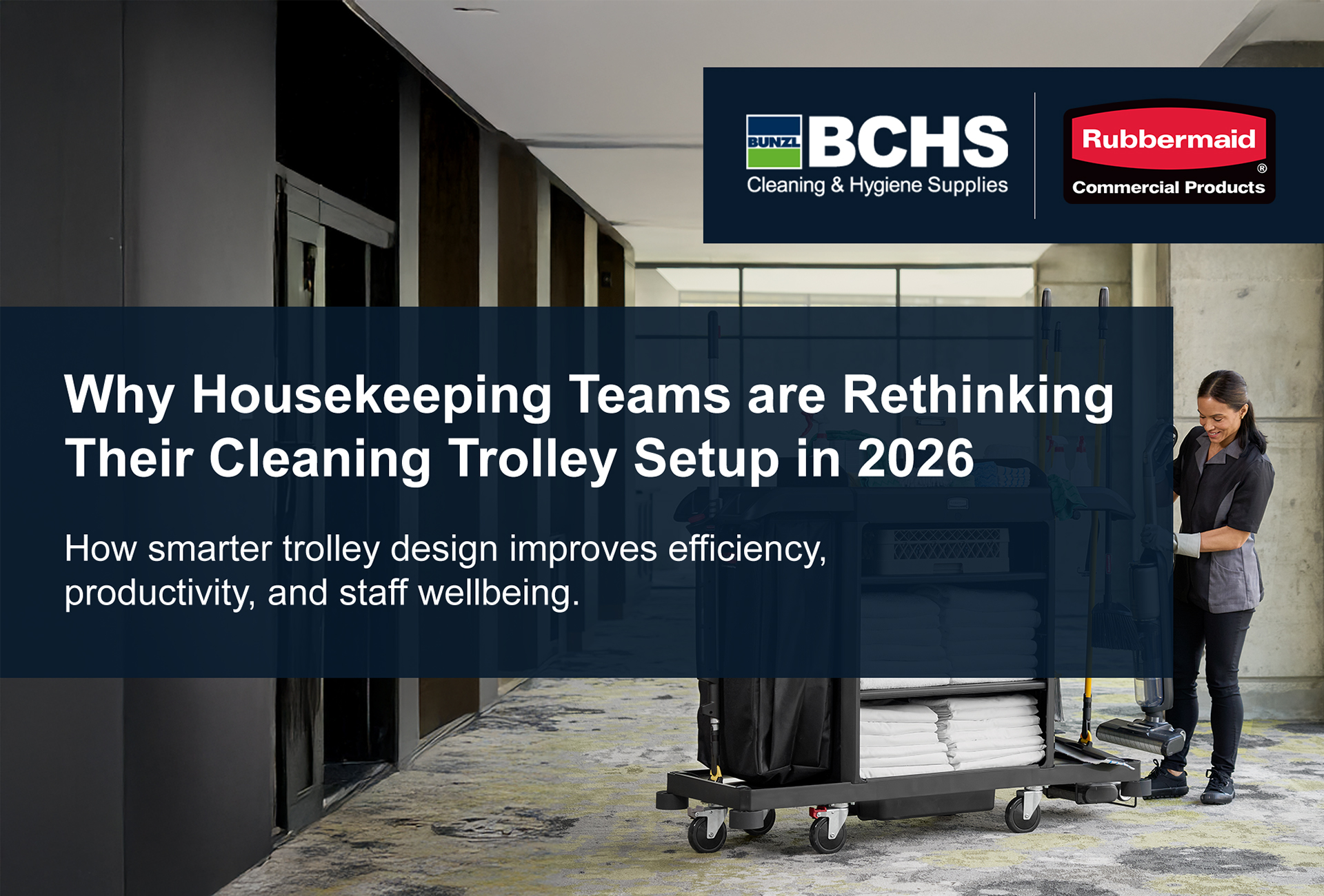
Time and energy matter. In busy environments like hotels or hospitals, cleaning teams need ergonomic tools that reduce physical strain and support faster cleaning cycles.
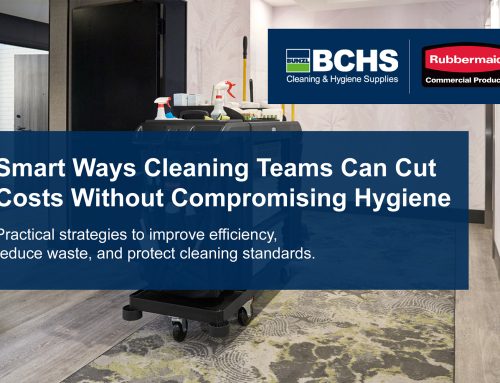
A high-capacity housekeeping trolley with smooth wheels and an ergonomic handle can reduce the number of trips staff need to make and prevent the physical strain that leads to injuries or absenteeism. In one resort case study, switching to modern carts and spray mops improved cleaning time by 60%.
Look for features like:
- Swivel casters for better manoeuvrability
- Foldable frames for easy storage
- Integrated tool holders to improve workflow
- Why does microfibre matter in modern cleaning?
Microfibre isn’t just a trend, it’s a proven technology that removes 99.9% of tested bacteria and fungi using only water. This is because of its split filament structure, which creates a larger surface area to trap dirt, pathogens, and dust.
The benefits of high-quality microfibre:
- Works wet or dry
- Washable and reusable up to 200 times
- Supports colour-coded cleaning to prevent cross-contamination
And for those focused on sustainability, some modern microfibre cloths are now made with recycled plastic, helping reduce the environmental impact of your operation.
- How can we improve cleaning quality without increasing headcount?
The answer isn’t more people, it’s better tools.
Smart cleaning equipment boosts productivity by enabling staff to clean more space in less time, with fewer physical demands. A spray mop with an on-demand trigger can cover up to 80m² on a single fill, reducing trips to refill buckets. Similarly, trolleys with modular storage let staff carry everything they need in one go.
More efficient tools = less downtime, faster room turnaround, and improved service quality.
- What’s the long-term value of investing in quality cleaning tools?
While it may be tempting to opt for cheaper equipment, poor-quality tools can break down faster, increase waste, and reduce cleaning effectiveness. By contrast, investing in durable, well-designed tools means:
- Lower replacement costs
- Improved staff morale and retention
- Better hygiene outcomes for customers and guests
In short, buy better, waste less.
Final Thought
The cleaning industry is evolving. Customers expect more, regulations are tightening, and sustainability is no longer optional. The good news? The tools you choose can drive real progress.
Whether you’re upgrading your mopping system, choosing a smarter trolley, or switching to recycled microfibre, each decision moves your operation toward greater efficiency, better hygiene, and lower costs. Contact BCHS today to learn more about which products would be suitable for your environment.
Learn more about Rubbermaid here: Rubbermaid Commercial Products | BCHS
Bunzl Cleaning and Hygiene supplies are leading the way in commercial products within the industry, with partners like Rubbermaid. For more information on commercial products and sustainable alternatives for your business, click here.