Understanding the Rules, Regulations, and Laws surrounding First Aid Compliance
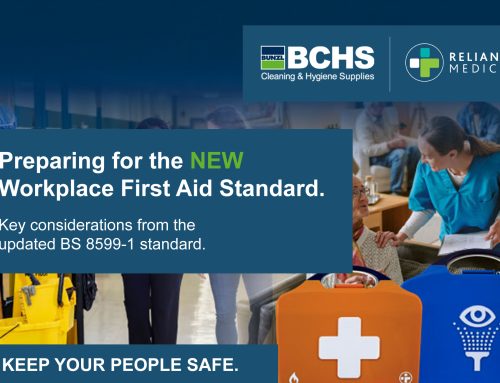
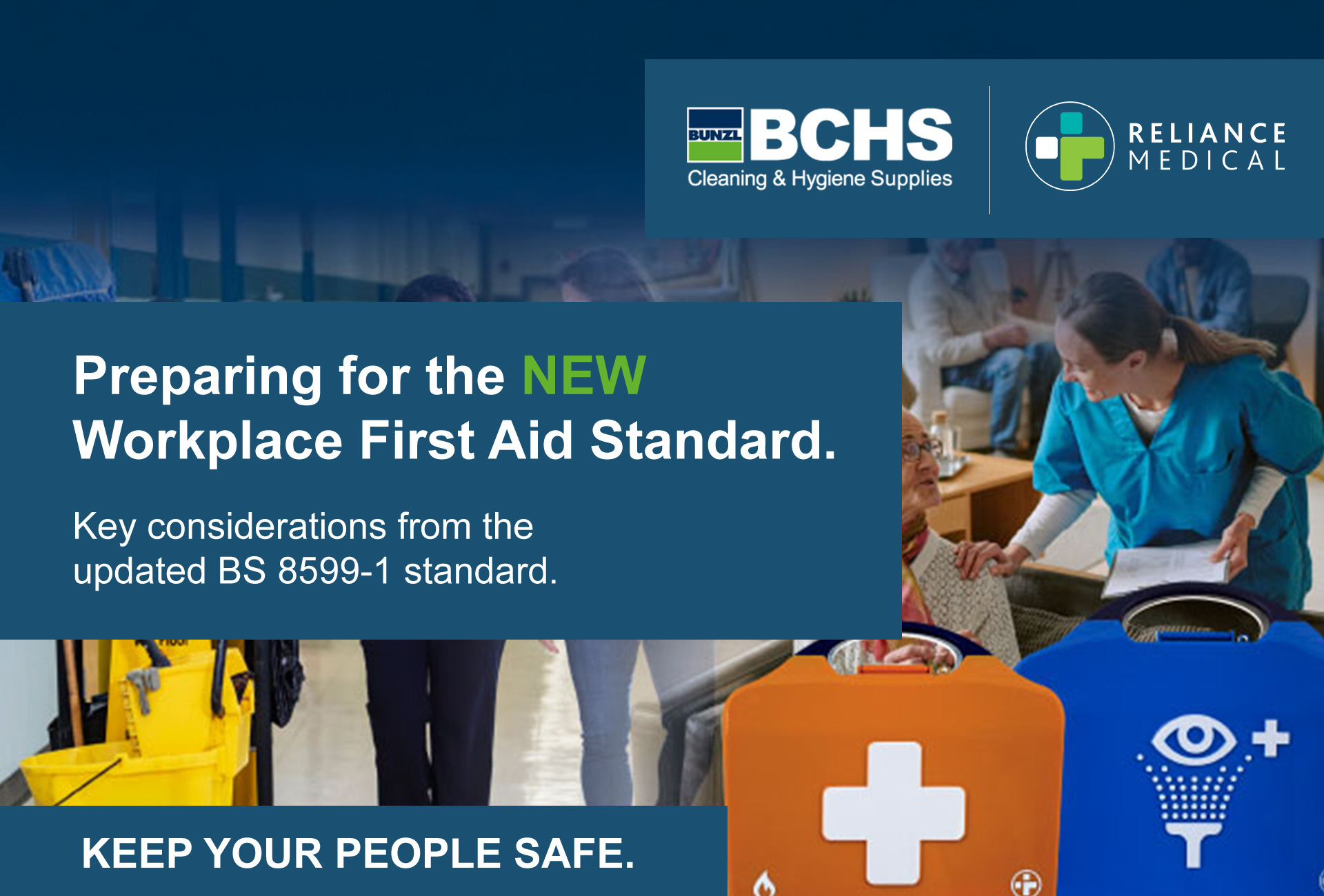
When it comes to workplace safety, one of the most vital requirements is ensuring that employees have access to first aid supplies. In the UK, the Health and Safety Executive (HSE) mandates that employers provide at least one fully stocked first aid kit at every worksite. Bunzl Cleaning and Hygiene Supplies and Reliance Medical have put together a comprehensive article to help make sense of what you need. Whether you’re working in an office, a warehouse, a construction site, or even a company vehicle, a well-equipped first aid kit is not just a good idea – it’s a legal requirement.
Legal Obligations for Employers
Every employer has a legal duty of care to ensure the health and safety of their employees, even for those working off-site or in company vehicles. This means employers must assess their work environment and provide the appropriate first aid resources. In addition, employers are required to maintain their first aid kits and regularly check the expiration dates of the supplies to stay in compliance with health and safety laws.
How to Choose the Right First Aid Kit
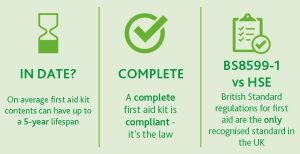
So, how do you know which type of first aid kit you need for your workplace, and how many kits are required? According to the HSE, the UK standard for first aid kits is BS8599-1:2019. The type of kit you need will depend on the specific risks present in your workplace, its size, and the number of employees and visitors.
Consider the Risk Level
Every workplace has different levels of risk. Sites are categorised as either high risk or low risk, which determines the type of first aid kit required:
- Low-risk environment (e.g., offices) typically needs a medium-sized kit for up to 100 employees
- High-risk environments (e.g., construction sites) often require a medium-sized kit for 5 to 25 employees.
Workplace Size and Employee Numbers
Larger workplaces, especially those with more employees or multiple areas, require more first aid kits placed in easily accessible locations. The larger the space, the more kits are necessary to ensure quick access in case of an emergency.
Lone Workers and First Aid Kits
Lone workers – such as security personnel, maintenance staff, or employees working alone in high-risk settings – should be provided with a personal first aid kit. This is especially crucial for workers dealing with dangerous machinery, chemicals, or construction tools. In such cases, specialised kits may be needed, such as critical injury kits designed for serious accidents.
Do Company Vehicles Need First Aid Kits?
Every company vehicle must carry a compliant first aid kit. The size of the kit will depend on the vehicle’s capacity:
- Small kits for motorcycles, tricycles, or vehicles with up to 3 passengers
- Medium kits for cars, vans, taxis, and trucks (up to 8 passengers)
- Large kits for minibuses and coaches (up to 16 passengers)
Checking the Expiry Date of First Aid Products
First aid kits require regular maintenance. According to BS859-1:2019, employers must ensure that their kits are fully stocked and that the contents are within their expiration dates. The items in a first aid kit generally last up to five years, so conducting regular checks and replacing expired items is essential to maintain compliance and ensure that your first aid kit is effective when you need it most.
Addressing Workplace-Specific Hazards
Different environments pose varying risks to employees, and it’s crucial to have a first aid kit that meets these specific needs.
- Construction Sites: Risk include falls, crush injuries, eye injuries from debris, and burns from chemicals or machinery.
- Offices and Care Homes: These tend to have fewer hazards, but injuries such as trips, falls, and minor burns still occur.
- Warehouses: Common injuries are trips and falls, but serious injuries can arise from forklifts or heavy items falling from shelves.
- Kitchens: High-risk environments for burns, cuts, scalds, and eye injuries from airborne particles or splashes.
When to Use Burns Kits
Burn injuries are common in environments such as kitchens or any workplace with hot surfaces, liquids, or flames. Burns are categorised as:
- Superficial Burns: Red, dry skin without blisters
- Partial Thickness Burns: Red, blistered, or swollen skin.
- Full thickness Burns: Charred or white skin.
For partial or full-thickness burns, contact emergency services immediately. A Burns Kit should include hydrogel dressings to cool the burn and reduce further skin damage, helping improve recovery.
Biohazard First Aid Kits: When Are They Needed?
Certain workplaces, especially healthcare settings, schools, and veterinary practices, face biohazard risks like exposure to bodily fluids. A Biohazard Kit typically includes gloves, aprons, disinfectants, absorbent granules, and disposal bags, offering protection against infection and ensuring proper disposal of contaminated materials.
Bleed Control & Critical Injury Kits: A Must-Have for High-Risk Environments
In high-risk settings like construction sites, Critical Injury Kits are essential for managing serious trauma injuries such as deep cuts or bone fractures. These kits contain specialised tools like haemostatic wound treatments, trauma dressings, and tourniquets to stop severe bleeding until emergency services arrive.
For public spaces such as concert halls or stadiums, Public Access Trauma (PaCT) Kits are designed for immediate use in managing major bleeding incidents:
Using a Critical Injury Kit:
- Protect yourself with gloves
- Cut away clothing to expose the wound using shears
- Applying a tourniquet if needed, especially for major blood loss.
- Use a foil blanket to keep the casualty warm and prevent shock
AEDs: Vital Life-Saving Equipment
Cardiac arrest can strike anyone, anywhere, and every minute counts. Research shows that the chances of survival from a cardiac arrest decrease by 10% for every minute that passes without intervention. Automatic External Defibrillators (AEDs) are life-saving devices that can restart the heart and significantly improve survival rates.
Mediana AEDs, for example, are user-friendly devices that guide you through the defibrillation process with clear voice prompts. They can be used on both adults and children, and the pads are ready for immediate use. No prior training is required to use an AED, but training courses are available for those who want to learn more.
Conclusion: Compliance is Key
In summary, understanding and adhering to the legal requirements for first aid kits is crucial for ensuring workplace safety and staying compliant with the law. By assessing the specific needs of your workplace, ensuring the appropriate first aid supplies are available, and keeping everything up to date, you can provide a safer environment for your employees, customers and visitors.
Safety is always a priority – so make sure your workplace is equipped with the right first aid resources and be prepared for the unexpected.
Find your kits at BCHS, click the link here: https://www.bunzlchs.com/Brands/Reliance-Medical~c~RELIANCE