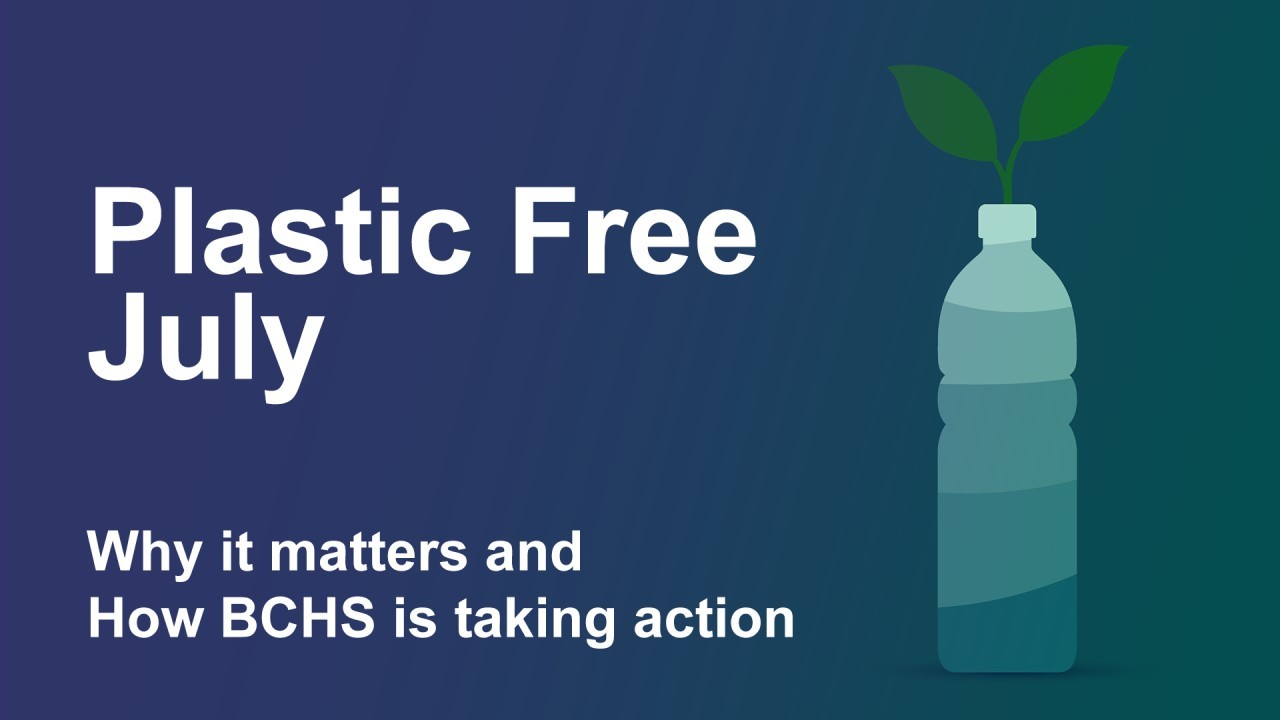
Each July, millions around the world take part in Plastic Free July — a global movement that encourages individuals and businesses to reduce their reliance on single-use plastic. With plastic pollution now recognised as one of the planet’s most pressing environmental challenges, the urgency to act has never been greater.
Globally, we produce over 430 million tonnes of plastic each year, two-thirds of which is designed for single use*. According to the UN, up to 23 million tonnes of plastic waste enter our lakes, rivers, and oceans annually** — harming ecosystems, threatening biodiversity, and contributing to microplastic contamination across the food chain.
The cleaning and hygiene industry has traditionally relied on plastic packaging for practical reasons, including safety, durability, and ease of use. From ready-to-use chemical products to trigger sprays and single-use items, plastic has played a key role in supporting hygiene standards across sectors. However, as expectations evolve and environmental awareness grows, the industry is now in a strong position to lead the shift toward smarter alternatives.
At BCHS, we believe it’s time to lead the change. As a major distributor in our sector, we recognise the role we play in driving innovation, promoting reuse, and supporting our customers in transitioning to smarter, circular solutions.
This year’s theme, “Refuse, Rethink, Reuse”, invites us all to reconsider the role of plastic in our operations and daily routines. By rethinking our procurement choices and investing in smarter, more circular alternatives, we can reduce waste, cut carbon emissions, and showcase smarter solutions that don’t cost the Earth.
How BCHS Supports Plastic Reduction
We believe that tackling plastic pollution starts with practical, scalable solutions. That’s why we’ve developed and promoted a wide range of products and services designed to reduce, replace, or eliminate single-use plastics.
Here are just a few of the ways we help customers reduce their plastic footprint:
- Plastic Reduction Products: Our Cleanline Eco Soluble Sachets eliminate the need for plastic trigger bottles by offering precise, water-soluble doses. One pouch replaces up to 20 plastic bottles. Similarly, products like Cleanline Concentrates reduce packaging and transport emissions by allowing dilution at the point of use — cutting plastic and carbon by up to 98% compared to ready-to-use alternatives.
- re:mind Refillable Care Range: Developed with social enterprise Amplify Goods, our re:mind range combines luxury, low-impact ingredients with durable glass bottles and 5L/1L refill options—reducing waste while supporting community well-being.
- LoopBox Circular Scheme: In partnership with 2Pure, we collect and reuse returned OdorBac containers, keeping them in the loop and out of landfill. In 2024 alone, over 46,000 bottles were successfully returned through the scheme. Find out more…
- Sustainable Insights Reporting Tool: We help customers track plastic packaging avoidance, carbon reduction, and circular performance through Sustainable Insights—our bespoke reporting tool designed to turn sustainable choices into measurable results.
- Plastic-Free Packaging Innovation: Our work with exclusive brand partners has led to packaging changes like the PRISTINE hand towel switch from plastic wrapping to paper sleeves—preventing nearly 4 tonnes of plastic waste in 2024 alone.

Working Together to Reduce Plastic Pollution
We understand that meaningful change doesn’t happen alone; that’s why our approach is built on collaboration. We work closely with manufacturers, customers, and supply chain partners to promote alternatives and measure impact.
By combining innovative products, circular models, and transparent reporting, we empower our customers to make sustainable procurement decisions that benefit both people and the planet.
Let’s take Plastic Free July as a starting point — not a one-off challenge. Together, we can reduce unnecessary plastic, embrace alternative thinking, and showcase more sustainable operations all year round.
Find out more about the BCHS Sustainability journey online: Sustainability | BCHS
**unep.org/resources/report/drowning-plastics-marine-littler-and-plastic-waste-vital-graphics